
Dead Bug
The Dead Bug is a highly effective core stabilization exercise that strengthens the abdominal muscles while teaching your body to maintain a stable spine during arm and leg movement. It will improve core control, posture and coordination.
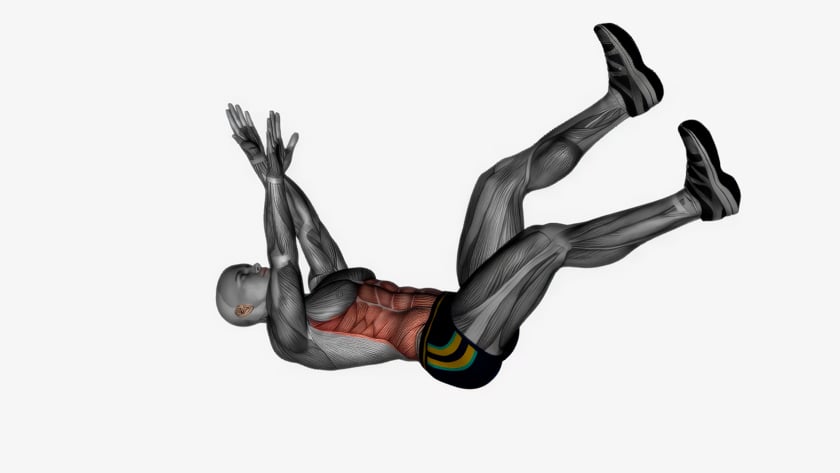
How to Perform
Lie on your back with your hips and knees bent to approximately 90 degrees and your arms extended toward the ceiling.
Tighten your abdominal muscles and gently press your lower back into the floor.
Slowly extend one arm overhead while extending the opposite leg toward the floor without allowing your lower back to arch..
Return to the starting position and repeat with the opposite arm and leg, alternating sides with controlled movement.
Tips
Keep your lower back gently pressed against the floor throughout the exercise.
Move slowly and with control rather than rushing each repetition.
Exhale as your arm and leg extend, then inhale as you return to the starting position.
Only lower your arm and leg as far as you can while maintaining a stable core.
Benefits
Strengthens the deep core muscles that support the spine.
Improves core stability during everyday movements and athletic activities.
Enhances coordination between the upper and lower body.
Helps promote better posture and body awareness.
Requires no equipment and is suitable for most fitness levels.
Common Mistakes
Allowing the lower back to arch away from the floor.
Moving too quickly and losing control.
Extending the arm or leg farther than core stability allows.
Holding your breath during the movement.
Using momentum instead of controlled muscle activation.
FAQ
Safety Note
Maintain a neutral head and neck position throughout the exercise. If you experience discomfort in your lower back, reduce the range of motion until you can maintain proper spinal alignment.
Stop the exercise if pain occurs and consult one of our qualified professionals before continuing if symptoms persist.