
Cross Body Shoulder Stretch
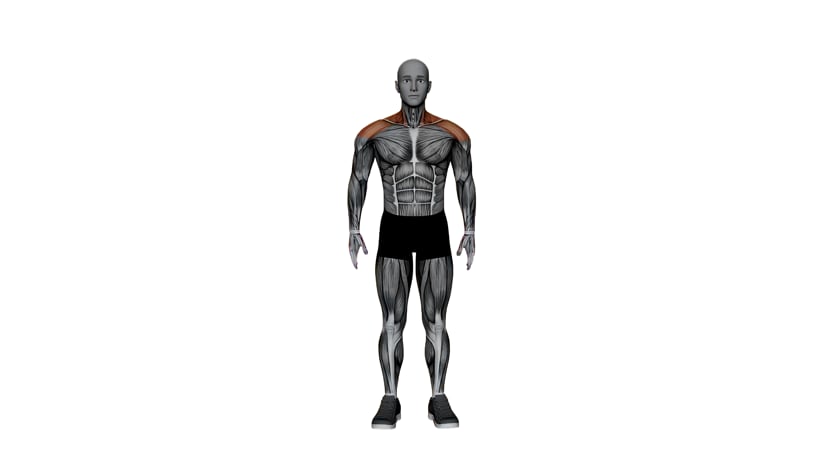
The Cross Body Shoulder Stretch is a basic static flexibility exercise used to stretch the muscles at the back of the shoulder and upper arm. It requires no equipment and can be performed standing or seated, making it a practical addition to a beginner flexibility or cool-down routine.
The video animation demonstrates the traditional standing cross-body shoulder stretch.
The exerciser brings one arm across the front of the chest at approximately shoulder height while using the opposite arm to gently draw it closer to the body.
The torso remains upright and relatively still while the stretch is concentrated through the back of the shoulder.
How to Perform
Stand upright with your feet approximately hip-width apart and maintain a comfortable, balanced posture.
Relax your shoulders and keep your head facing forward.
Raise one arm to approximately shoulder height and bring it horizontally across the front of your chest.
Keep the stretching arm relatively straight but do not forcefully lock the elbow.
Bring the opposite arm up and place it against the upper arm, above the elbow.
Gently draw the stretching arm closer toward your chest until you feel comfortable tension through the back of the shoulder. We recommend grasping above the elbow and gently pulling the arm toward the chest.
Keep the shoulder of the stretching arm relaxed rather than shrugging it toward the ear.
Maintain an upright torso and avoid rotating the body to create additional range.
Hold the position while breathing normally, then slowly release the arm.
Repeat the stretch on the opposite side.
Hold static stretches for approximately 10–30 seconds and performing 2–4 repetitions per muscle group.
Tips
Keep the stretching arm approximately at shoulder height as it moves across the chest.
Apply pressure to the upper arm rather than directly against the elbow joint.
Keep both shoulders relaxed and away from the ears.
Draw the arm across the chest gradually. More pressure does not necessarily produce a better stretch.
Keep the torso facing forward rather than rotating in the same direction as the arm.
Maintain a comfortable position through the neck and avoid tilting the head toward the shoulder.
Move only far enough to feel gentle to moderate tension through the back of the shoulder.
Breathe normally and hold the position without bouncing.
Benefits
The Cross Body Shoulder Stretch helps maintain or improve flexibility through the posterior shoulder and surrounding upper-arm tissues.
The Cross-Body Stretch helps stabilize the shoulder blades.
Maintaining shoulder mobility can support comfortable movement during everyday reaching, lifting and upper-body exercise.
The exercise stretches one shoulder at a time, making it easy to work each side independently and recognize differences in flexibility.
The stretch requires no equipment and very little space and can be performed standing or seated.
Consistent static stretching can improve joint range of motion over time.
Common Mistakes
Shrugging the stretching shoulder toward the ear can create unnecessary tension through the neck and upper trapezius. Keep the shoulder relaxed.
Pulling directly on the elbow can place unnecessary pressure on the joint. Apply gentle pressure to the upper arm above the elbow.
Pulling the arm too aggressively across the chest can create shoulder discomfort. Increase the stretch gradually.
Rotating the torso in the direction of the stretch reduces the relative movement at the shoulder. Keep the chest generally facing forward.
Allowing the arm to drop too low can change the area being stretched. Keep it approximately at shoulder height.
Tilting or turning the head unnecessarily can create tension through the neck.
Bouncing or repeatedly forcing the arm farther across the body is unnecessary. Maintain a slow, controlled static hold.
FAQ
Safety Note
Perform the Cross Body Shoulder Stretch slowly and under control. The arm should be drawn across the chest only far enough to create gentle to moderate tension through the back of the shoulder.
Avoid forcefully pulling on the arm or applying direct pressure to the elbow joint.
Keep the shoulder relaxed and reduce the range if you feel pinching or discomfort within the shoulder joint.
Maintain an upright posture and avoid excessive twisting through the torso or neck.
Stop the stretch if you experience sharp pain, numbness, tingling or unusual discomfort in the shoulder, arm or neck.
If you have a recent or existing injury involving the shoulder, elbow or neck, consult your physician or another qualified healthcare professional before performing this or any other stretch.